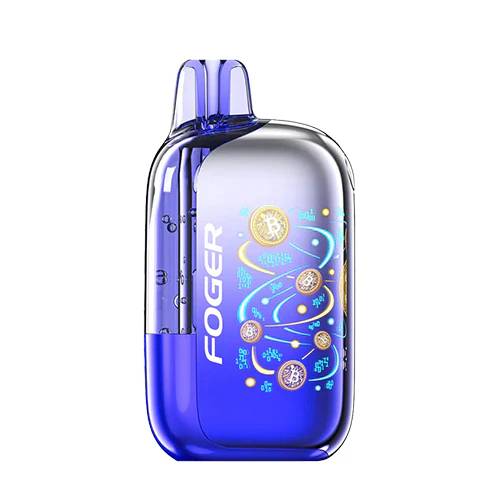
If you haven’t picked up a new device in the last couple of years, you might be genuinely surprised at how much the vape features on today’s hardware have changed. We’re not talking minor tweaks here; modern devices are packed with technology that makes older setups feel almost primitive by comparison. Whether you’re still rocking a basic pen-style vape or you’re just trying to figure out what’s actually worth paying more for, this breakdown covers the five features that are making a real difference right now.
Key Takeaways
Adjustable airflow lets you customize your draw from tight and flavorful to wide open and cloudy.
Temperature control technology prevents dry hits and keeps flavor consistent from first puff to last.
Advanced battery management means all-day power, fast charging, and smart safety protection built in.
Interactive display screens give you real-time data and make it easy to replicate your perfect settings.
Leak-resistant tank designs have largely eliminated one of vaping’s oldest and most annoying problems.
Quick Answer: The modern vape features most worth upgrading for are adjustable airflow, temperature control, long-lasting battery systems with fast charging, interactive display screens, and leak-resistant tank engineering. Together, these improvements make newer devices significantly more reliable, customizable, and enjoyable than earlier generations.
1. Adjustable Airflow Systems
Adjustable airflow is honestly one of those features you don’t think you need until you try it, and then you can’t imagine going back. The concept is straightforward: you control how much outside air mixes with your vapor, and that single adjustment can completely change your experience. Tighten the airflow down for dense, concentrated flavor. Open it up wide for big, airy clouds that are easy on the throat.
What makes this feature so practical is that your preferences genuinely change depending on the moment. A smooth, easy draw first thing in the morning hits different than a full, flavorful session in the evening. Different e-liquids also respond differently to airflow settings; some blends open up and taste completely different when you give them more or less air. A lot of people don’t realize this until they start experimenting.
Most well-designed airflow systems use a rotating ring at the base or side of the device, with positions that range from nearly shut to fully open. Some of the more advanced setups have dual or independent airflow channels, meaning you can fine-tune top and bottom airflow separately. That level of control used to be reserved for high-end gear, but now it shows up on mid-range devices regularly.
Airflow Setting
Draw Style
Best For
Tight / Restricted
Mouth-to-lung (MTL)
Nicotine salts, flavor chasers
Semi-Open
Restricted direct lung
Balanced flavor and vapor
Fully Open
Direct lung (DL)
Cloud production, freebase nicotine
2. Temperature Control Technology
Temperature control, or TC mode, is one of those features that sounds more complicated than it actually is. Here’s the short version: instead of just pushing a set wattage to your coil regardless of conditions, TC mode monitors your coil’s resistance in real time and adjusts power to keep things at a consistent temperature. The practical result? No more dry hits.
Dry hits are the burnt, awful-tasting puffs you get when your coil fires without enough e-liquid saturating the wick. They’re unpleasant, they can waste good e-liquid, and they’re hard on your coil. Temperature control essentially prevents them from happening by cutting power before the coil ever gets hot enough to burn dry cotton.
Beyond just preventing those nasty hits, TC mode helps preserve coil life and keeps flavor consistent. If you’ve ever noticed that the first puff of a fresh coil tastes amazing but things get a little muddled after an hour of use, TC can help with that. The coil materials that work with TC mode include nickel (Ni200), titanium (Ti), and stainless steel (SS), with stainless steel being the most versatile since it works in both wattage and TC mode. Most devices set the temperature range somewhere between 200°F and 600°F, and honestly, once you find your sweet spot, you’ll wonder why you tolerated wattage-only mode for so long.
Is temperature control hard to set up?
Not really. Most modern devices walk you through TC setup in a few button clicks, and the device takes care of the adjustments automatically once you set your preferred temperature. The main thing you need to know is which coil material you’re using so you can select the right TC mode on your device.
3. Advanced Battery Management
Few things are more frustrating than reaching for your vape and finding it dead. Battery management has come a genuinely long way, and the improvements aren’t just about capacity, they’re about the whole ecosystem of how your device handles power.
USB-C fast charging is now standard on most quality devices, and the difference is significant. Charging a device from nearly empty to full in 30 to 45 minutes is the norm now, compared to the 2-plus hours older micro-USB devices required. Pass-through charging is another feature worth paying attention to; it means you can use your device while it’s plugged in, so you’re never completely down even if you forgot to charge overnight.
Smart battery protection features have also gotten much more sophisticated. Modern devices typically include overcharge protection (so you can leave it plugged in without damaging the battery), short circuit protection, low voltage warnings, and automatic cutoffs. These aren’t just convenience features; they’re actual safety improvements that make modern devices far safer than some of the earlier unregulated hardware that was floating around a few years back.
Dual battery mods are still popular among heavier users who want extended sessions without thinking about charging at all. The battery life on a dual 18650 or 21700 setup can genuinely last through a full day of regular use, even at higher wattages. For someone who vapes frequently throughout the day, that kind of reliability is hard to put a price on.
USB-C charging: Most devices now charge fully in under an hour.
Pass-through charging: Use the device while it charges, no downtime required.
Overcharge protection: Automatically stops charging at full capacity.
Short circuit protection: Cuts power instantly if a fault is detected.
Low battery alerts: Warns you before you’re completely out of power.
4. Interactive Display Screens
This is the feature that tends to surprise people most, especially those who’ve been using basic devices for a while. Screen-equipped vapes aren’t just cool to look at; they actually give you useful, real-time information that makes you better at using your device. If you haven’t checked out the latest vapes with screens, the level of control and feedback available now is genuinely impressive compared to what was on the market just a few years ago.
Most screen-equipped devices display battery level, current wattage or temperature, coil resistance, and puff count at minimum. Higher-end models add voltage output, session timers, and even puff history graphs. That might sound like overkill, but think about it this way: if you get a perfect hit, wouldn’t you want to know exactly what settings produced it so you can replicate it every single time? That’s what the screen makes possible.
Troubleshooting is another area where screens earn their keep. Instead of guessing why your device isn’t firing or producing weak vapor, the display will show you a warning like “Check Atomizer” or “Low Resistance” that points you directly to the problem. This is especially helpful for newer vapers who might otherwise be completely lost when something acts up.
Color OLED screens are increasingly common, and they stay readable even in bright sunlight, which was a real issue with some earlier LCD displays. A lot of devices also let you customize the screen layout or choose different display themes, which is a nice personal touch. Even on the disposable side of things, devices like the Foger Bit 35K have started incorporating display technology, which shows just how mainstream this feature has become across all device types.
A display screen on your vape isn’t just a gadget feature; it’s the difference between guessing and knowing exactly what your device is doing at any moment.
5. Leak-Resistant Tank Designs
Ask any long-time vaper about their worst vaping memories and leaked tanks will come up pretty quickly. Sticky e-liquid in a pants pocket, a puddle in your bag, wasted juice, and the general mess of cleaning it all up. Leaking tanks were genuinely one of the most persistent frustrations in the hobby for years, and modern engineering has done alot to solve the problem.
The biggest improvements came from two directions: better seals and smarter fill designs. Contemporary tanks use multiple silicone O-rings at every critical junction point, creating layers of protection against leaks instead of relying on a single seal. Top-fill systems replaced the old bottom-fill designs that required flipping your tank upside down, which was almost guaranteed to cause some dripping. With top-fill, you open a small port on top, fill, close it, and you’re done. Nothing gets inverted, nothing leaks.
Juice flow control is another smart addition. This is a small mechanism that lets you completely shut off the e-liquid supply to the coil when the device is in your pocket or sitting unused for a long time. It prevents the passive wicking that used to cause tanks to slowly flood and leak even when you weren’t actively using them.
Airflow architecture has improved too. Early tanks often created pressure imbalances when the airflow channels weren’t well-designed, and those pressure differences literally sucked e-liquid out of the tank and into the airflow path. Modern designs account for this by routing airflow in ways that actually help keep liquid in place. The combination of better seals, top-fill systems, juice control, and smarter airflow means leaking has gone from a routine annoyance to something that genuinely surprises people when it does happen.
What causes vape tanks to leak?
Most leaks happen because of worn or improperly seated O-rings, overfilling the tank, leaving the device in extreme heat, or using a coil that’s flooded from too much e-liquid during priming. Modern tanks with top-fill designs and multiple O-ring seals have made these issues much less common, but checking your seals regularly is still good practice.
How These Vape Features Stack Up Together
None of these features exist in isolation; they’re better together. A device that has good airflow control AND temperature management AND a clear display gives you a completely different experience than one that only checks one of those boxes. The best modern setups combine all five of these vape features into a package that’s reliable, customizable, and genuinely satisfying to use on a daily basis.
Personally, if I had to pick the two that make the biggest day-to-day difference, it would be temperature control and screen displays. Temperature control just eliminates so much frustration, and the screen makes everything else so much easier to manage. But honestly, once you’ve used a device that does all five well, going back to something basic feels like a real step down.
Feature
Primary Benefit
Best For
Adjustable Airflow
Custom draw style and vapor density
All vapers, especially flavor chasers
Temperature Control
Consistent flavor, no dry hits
Daily drivers, coil savers
Advanced Battery Management
All-day power, fast charging, safety
Heavy users, on-the-go vapers
Interactive Display Screen
Real-time data, easy troubleshooting
New vapers and data-loving enthusiasts
Leak-Resistant Tank Design
Cleaner, less wasted e-liquid
Everyone who’s ever had a leaky tank
What to Look For When You Upgrade
Not every device that claims to have these features actually does them well. Adjustable airflow that only has two settings isn’t really giving you much control. A display screen that’s impossible to read outdoors defeats the purpose. When you’re shopping for an upgrade, it helps to look at reviews from real users who talk about daily use experience, not just spec sheets.
Battery capacity matters more than people give it credit for. A device rated at 3000mAh will realistically outlast a 2000mAh unit under the same conditions, and that difference adds up across a full day of use. If fast charging is important to you (and it should be), look specifically for USB-C with confirmed fast charge support, because not all USB-C devices charge quickly despite using the same connector.
For tanks, the number and quality of O-rings matters, but the fill system design is probably the single biggest predictor of whether you’ll deal with leaks. A well-designed top-fill system with a secure seal is worth prioritizing over a tank with impressive specs but a clunky fill mechanism.
Price doesn’t always track with quality in this space, either. Some mid-range devices outperform gear that costs twice as much, especially when it comes to build quality and battery management. The features that matter most are the ones you’ll interact with every single day, so that’s where you want to focus your attention when comparing options.
Final Thoughts on Modern Vape Features
The five vape features covered here, adjustable airflow, temperature control, advanced battery management, interactive displays, and leak-resistant tank designs, represent real, meaningful improvements that you’ll notice every time you use your device. These aren’t spec sheet bullet points designed to justify a higher price tag; they’re practical upgrades that solve real problems vapers have dealt with for years. If your current setup is missing more than a couple of these, an upgrade is probably worth serious consideration. The hardware available right now, at pretty much every price point, is the best it’s ever been.
Frequently Asked Questions
What vape features should a beginner look for?
Beginners do best starting with a device that has an interactive display screen, basic temperature control or wattage modes, and a top-fill tank with leak-resistant seals. These features make the learning curve much shorter because you can see what your device is doing and avoid common problems like dry hits and leaking. A solid battery life with USB-C charging doesn’t hurt either, so you’re not constantly hunting for a charger.
Does temperature control actually make a difference in flavor?
Yes, and for most people it’s a noticeable difference. Temperature control keeps your coil from overheating, which prevents the burnt taste that can creep in during longer vaping sessions. It also keeps flavor more consistent from the first hit to the last, which is something regular wattage mode can struggle with as your coil warms up over time.
Why does my vape tank still leak even though it’s a newer model?
Even modern tanks can leak if the O-rings are worn, the coil isn’t seated correctly, or the tank is overfilled. Leaving a device in a hot car or in direct sunlight can also cause pressure changes that push liquid out through the airflow. Check your seals, make sure your coil is snug, and don’t fill past the maximum fill line to keep things clean.
How long should a vape battery last on a full charge?
It depends heavily on battery capacity and how often you’re vaping, but a device with a 3000mAh or larger battery should comfortably last a full day of moderate use. Devices with dual battery setups using 21700 cells can push well beyond that. If you find yourself charging more than once a day, it’s either time to upgrade your battery capacity or lower your wattage output a bit.
Are vapes with screens better than ones without?
For most people, yes. A display gives you real-time feedback on battery life, coil resistance, wattage, and puff count, all things that help you get more consistent results and catch problems before they ruin your session. Screen-free devices are simpler and sometimes more compact, which some people prefer, but if customization and troubleshooting ease matter to you, a screen is worth having.